-
×
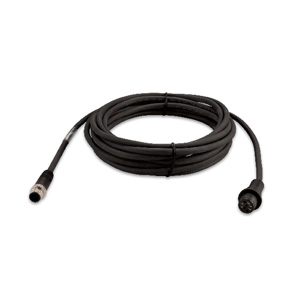 Garmin Marine Heading Sensor Cable to Connect to NMEA 2000 Network (Part No. 010-11419-00)
1 × $129.00
Garmin Marine Heading Sensor Cable to Connect to NMEA 2000 Network (Part No. 010-11419-00)
1 × $129.00
Subtotal: $129.00
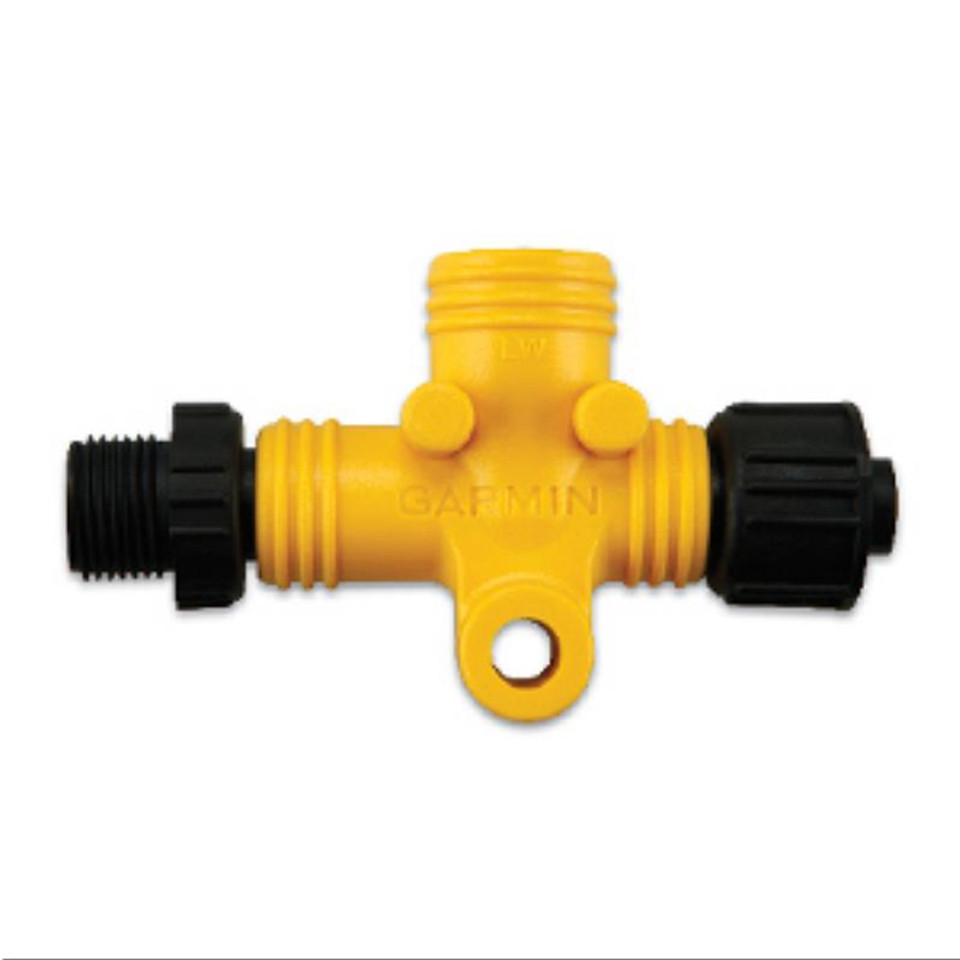
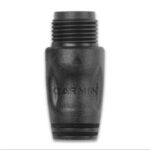
Use our power isolator to ensure sources that could power the bus are separated properly during installation of the NMEA 2000 network.
| Weight | 0.1 kg |
|---|
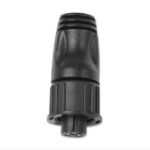
This standard male or female NMEA 2000 light cable connector provides termination resistance for one end of the backbone of the network. Each male or female connector sold separately.
Garmin STRIKER 4, 4cv, and 4dv Neoprene Cover (BBB-S4C)
Garmin neoprene protective cover designed to fit the STRIKER 4, 4cv, and 4dv. Helps keep the head unit protected when not in use.
*Specifications from suppliers’ information.
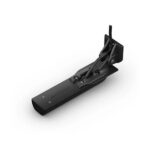
This all-in-one transducer offers ultimate versatility, featuring Ultra High-Definition ClearVü and SideVü scanning sonars, high wide CHIRP traditional sonar and more, so you can spend more time catching fish.

See everything below and around your boat with Ultra High-Definition scanning sonar.

High wide CHIRP traditional sonar delivers target separation like no other.

Multiple sonar frequencies have you covered — no matter what depth you’re fishing.

See targets and structure in bright, vivid colour.

Mount this transducer your way — transom, trolling motor or thru-hull.
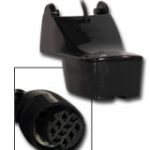
The Airmar P66 Multisensor is a 600W transducer that combines depth and temperature functions in one housing. And it features our 50/200 kHz, dual-frequency, ceramic element. This hydrodynamic housing with its rounded nose reduces the turbulence under the transducer’s acoustic face for clear display images. It is Airmar’s best transom mount for boats up to 8 m (25′) long.
Best of a New Generation! The Airmar P66 is the best performing and most popular, transom-mount, TRIDUCER® Multisensor in the market for many reasons. Foremost, the 50 kHz and 200 kHz, oversized, ceramic element produces focused beams, highlighting detail in the water column and in the bottom structure.
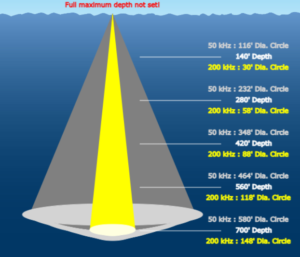
Options
Traditional frequency transducers continue to be popular choices for angler’s who like the simplicity of fewer frequencies or have a non-Chirp capable sounder. Our Traditional (CW) models range in power from 300 watts to 1kW and typically are either 200 kHz, 50 KHz or a combination of the two. Built with the highest quality construction, Airmar traditional frequency transducers will allow your fishfinder to deliver excellent deep-water performance, great bottom structure detail, and fish targets.
Transom models are best suited for small and trailered vessels where a thru-hull installation is not practical. Perfect for freshwater boat styles and centre consoles. Simple to install and ideal for small trailered vessels where a thru-hull may interfere with loading.
• Simple installation on the transom of the boat
• Great performance at boat speeds below 30 knots
• Easy maintenance and low-cost replacement
Selecting the best frequency for your specific application is very important. The good news is that once you know what frequency will work best for the type of fishing you do, there’s an AIRMAR transducer designed to maximize the performance of your sounder.
AIRMAR Chirp transducers are available in various frequency combinations:
Dual Band:
|
Single Band:
|
Low Frequency = Greater Depth (ex. 42-65 kHz)
• Sound waves will not present as clear a picture of the bottom on the display but will sound down in very deep areas where high-frequency sound waves cannot reach
• Provides greater depth range, wider beamwidth, and ultimately more coverage under the boat
• Chirp signal processing technology used with AIRMAR broadband, Chirp-ready transducers provide more detail at greater depths and are less susceptible to noise
• Great for operating at high boat speeds
High Frequency = Greater Detail (ex. 130-210 kHz)
• More sensitive to small targets and will send back detailed information which will display as crisp, high-resolution images on the echosounder screen
• Best for shallower water and is popular with anglers fishing at depths less than 1500 feet
Medium Frequency = The Best of Both Worlds (ex. 80-130 kHz)
• Provides the ability to sound deeper than the high frequency, along with better resolution than the low frequency
• Wider beam than the high frequency, achieving more coverage under the boat and greater opportunity to find fish
• Clear images at higher boat speeds
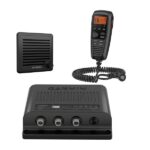
Garmin VHF 315i Marine Radio – Enjoy Reliable Communication
The 25-watt VHF 315i marine radio with Class D DSC is a modular communication solution. It provides the security of reliable communication and full NOAA weather alerts on the water by meeting the latest industry standards. It’s easy to use and integrates seamlessly into the Garmin onboard system. It has a built-in GPS receiver with connector for required external antenna. VHF 315i includes a GHS 11 handset and new active speaker to use as an intercom between up to 3 stations. It’s also equipped with a two-way 30-watt hailer system for communication with other boats or deckhands. NMEA 2000 connectivity enables easy integration with compatible chartplotters, multifunction displays and convenient software updates. Simplified handset connectors and an uncomplicated, easy-to-use interface allow you to get your radio set up quickly, so you can get back out on the water and start communicating.
Specs
In the Box